
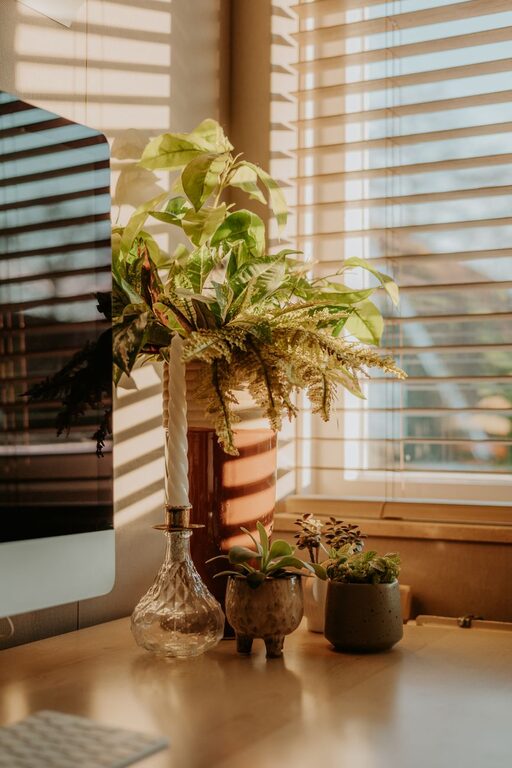
Creating a relaxing home office environment is essential for anyone working remotely or spending extended hours at their desk. A well-designed workspace not only boosts productivity but also helps reduce stress and maintain a healthy work-life balance. Whether you have a dedicated room or a small corner in your living space, there are several ways to make your home office a calming and inviting place.
Why a Relaxing Home Office Matters
Spending time in a cluttered or uninspiring workspace can negatively impact your focus and motivation. On the other hand, a thoughtful setup encourages creativity and helps you stay on track throughout the day. Prioritizing comfort and calm in your home office can improve your mood, reduce fatigue, and even enhance your work quality.
Key Tips for Designing a Relaxing Home Office
1. Choose a Quiet, Light-Filled Spot
If possible, set up your office in a quiet area away from household noise. Natural light is especially beneficial—it helps regulate your internal clock and can boost energy and alertness. Position your desk near a window to enjoy daylight, but avoid glare on your computer screen by using curtains or blinds.
2. Invest in Ergonomic Furniture
Comfort is a cornerstone of a relaxing office. Choose a supportive chair with adjustable height and good lumbar support. Your desk should be at a height that allows your arms to rest comfortably while typing. Ergonomic setups prevent physical strain and keep you comfortable over long work sessions.
3. Keep the Space Organized and Clutter-Free
A tidy workspace promotes a calm mind. Use storage solutions such as shelves, drawers, and organizers to keep supplies and documents in order. Daily tidying routines can prevent clutter buildup and help you start each day with a fresh environment.
4. Incorporate Calming Colors and Decor
Soft, neutral colors like light blues, greens, or beige tend to have a calming effect and make the space feel more open. Add personal touches such as artwork, photos, or plants to create a warm atmosphere. Avoid overly bright or distracting patterns that might interfere with concentration.
5. Add Greenery for Freshness and Air Quality
Plants are a great addition to any home office. They add natural beauty, improve air quality, and have been shown to reduce stress. Low-maintenance options like succulents, spider plants, or snake plants are ideal for busy professionals.
6. Control Noise with Soft Elements and Devices
If you can’t avoid noisy environments, consider sound-absorbing materials like rugs, curtains, and cushions to soften ambient noise. Noise-canceling headphones or white noise machines can also help create a quieter atmosphere, aiding focus and relaxation.
7. Maintain Proper Lighting
Aside from natural light, ensure you have adequate artificial lighting. A desk lamp with adjustable brightness helps reduce eye strain during evening hours, while warm lighting creates a cozy ambiance. Avoid harsh fluorescent lights that can cause headaches or fatigue.
8. Personalize Your Workspace with Meaningful Items
Incorporate items that inspire and motivate you, such as motivational quotes, books, or souvenirs. This can create a positive emotional connection and make your workday more enjoyable.
9. Manage Cables and Tech Clutter
An organized workspace should also extend to technology. Use cable organizers or clips to keep cords neat and out of the way. A wireless keyboard and mouse can reduce clutter, making your desk cleaner and less distracting.
10. Take Breaks and Move Around
Finally, no matter how relaxing your office is, it’s important to take regular breaks. Step away from your desk, stretch, and move to refresh your mind and body. Incorporating a standing desk option or a yoga mat near your workspace can encourage physical activity throughout the day.
Creating a Routine That Supports Relaxation
Beyond physical design, building a routine that fosters relaxation and productivity is key. Set specific work hours, dress comfortably yet professionally, and avoid work-related tasks outside your designated time. Use mindfulness techniques or deep breathing exercises during breaks to ease mental tension.
Conclusion
Designing a relaxing home office environment takes intentional effort but pays off in enhanced well-being and work performance. By choosing the right location, investing in comfortable furniture, and adding personal, calming touches, you can create a space that feels inviting and supports your daily tasks. Remember to maintain organization, control noise and lighting, and prioritize self-care to enjoy a truly relaxing workspace at home.