
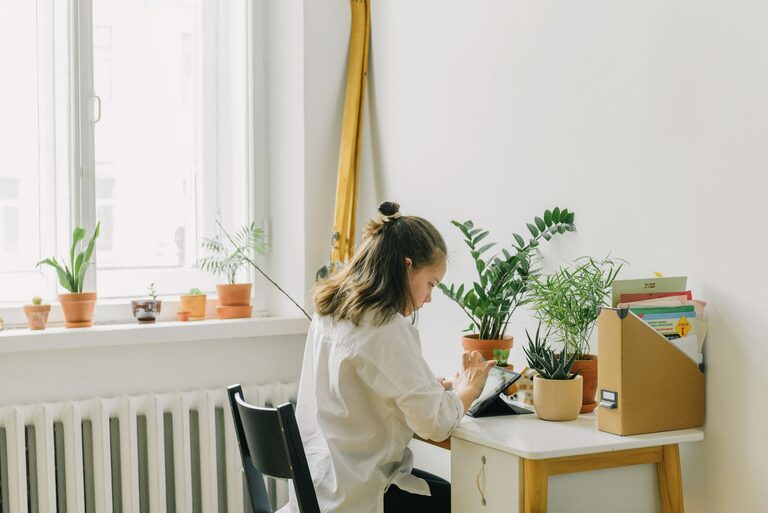
Creating a relaxing home workspace is essential for anyone working remotely or spending extended hours at home. A well-designed space can reduce stress, improve focus, and increase productivity. By making your workspace both comfortable and inviting, you set yourself up for success with less fatigue and greater motivation. Here are helpful tips to design a calming home office that supports your work and well-being.
1. Choose the Right Location
Start by selecting a quiet area in your home that is free from distractions. This could be a spare room, a corner of the living room, or even a nook by a window. Make sure the spot has enough space for your desk, chair, and any equipment you need. Avoid placing your workspace in high-traffic zones where interruptions are common.
2. Maximize Natural Light
Natural light helps regulate your body’s internal clock and improves mood. Position your desk near a window if possible, to take full advantage of daylight. If natural light is limited, choose soft, warm artificial lighting that mimics daylight. Avoid harsh overhead lights that create glare or eye strain.
3. Invest in Comfortable Furniture
Comfort is key to staying relaxed and focused for long work sessions. Choose an ergonomic chair that supports your back and encourages good posture. Your desk should be at a height that allows your arms to rest comfortably with wrists aligned to your keyboard. Adjustable furniture can help you switch between sitting and standing, which also benefits health.
4. Keep Your Desk Clutter-Free
A tidy workspace reduces distractions and mental clutter. Regularly organize your desk and keep only the essentials within reach. Use storage solutions like shelves, drawers, or file organizers to keep papers and supplies out of sight. Consider a weekly clean-up routine to maintain order.
5. Incorporate Calming Colors
The colors in your workspace can affect your mood and concentration. Soft, neutral tones such as pastels, light blues, greens, or beige create a soothing atmosphere. Avoid overly bright or busy patterns that may be visually distracting. Adding a few personal touches like photos or art can enhance comfort, but keep it minimal.
6. Add Plants for Freshness
Indoor plants not only brighten your workspace but also improve air quality and reduce stress. Choose low-maintenance varieties like succulents, snake plants, or pothos that thrive indoors. A small plant on your desk or a larger one nearby can bring a natural element that promotes calmness.
7. Control Noise Levels
Noise can be a major distraction. If you cannot move to a quiet room, consider using noise-cancelling headphones or playing soft background music or white noise. Let family members or roommates know your working hours to minimize interruptions. Even small changes, like a door draft stopper, can reduce outside noise.
8. Personalize Mindfully
While personalization makes your space inviting, too many items can create clutter. Choose meaningful objects that inspire you—maybe a favorite book, inspirational quote, or a colorful mousepad. Keep personal touches limited to avoid overwhelming your workspace.
9. Maintain Good Airflow and Temperature
Good ventilation helps keep you alert and comfortable. Open windows when weather permits or use a fan or air purifier to improve air circulation. Make sure the temperature is pleasant, not too hot or too cold, so that you can focus without distraction.
10. Develop a Routine and Breaks
A relaxing workspace supports not just the environment but also your daily habits. Start your workday at a consistent time and take regular breaks to stretch, hydrate, and rest your eyes. This helps maintain your energy and creativity throughout the day.
—
Final Thoughts
Designing a relaxing home workspace requires a balance of comfort, organization, and personal style. By choosing the right location, lighting, furniture, and calming details, you create an environment that boosts productivity and supports your well-being. Remember to adjust your setup as needed and prioritize your comfort to make work feel less like a chore and more like an enjoyable daily activity. With these tips, your home office can become a place where both your mind and body thrive.