
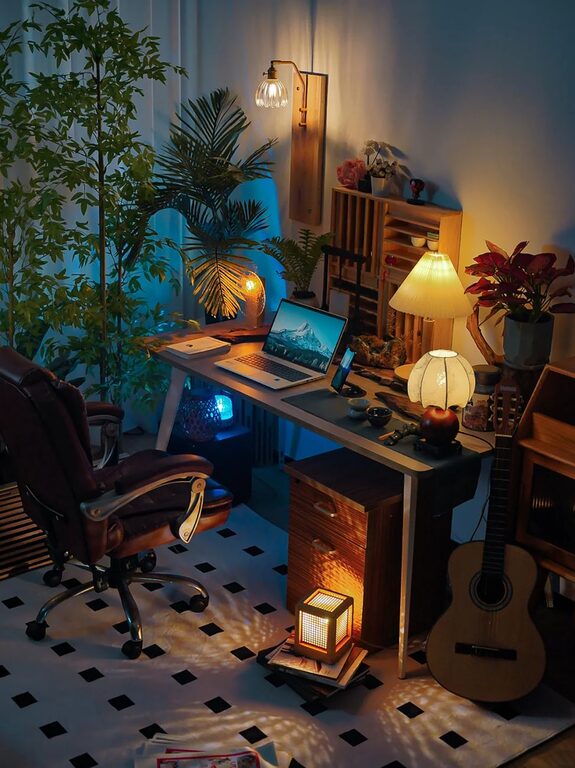
Working from home has become a common part of many people’s lives, making a well-designed home office more important than ever. Whether you have a dedicated room or a small corner, creating a cozy and functional workspace can greatly improve your comfort and productivity. In this post, we’ll explore practical tips to help you design an inviting home office that works for your needs.
Choose the Right Location
Finding the ideal spot for your home office is the first step. Consider these factors:
– Natural light: Position your desk near a window if possible. Natural light can enhance your mood, reduce eye strain, and help keep you alert throughout the day.
– Quiet surroundings: Look for a space away from household noise to minimize distractions. If this isn’t possible, noise-canceling headphones or white noise machines can help.
– Space availability: Whether it is a spare room, a section of your bedroom, or a nook in the living area, make sure there’s enough room for your essential office furniture and supplies.
Invest in Comfortable and Functional Furniture
Your furniture choices affect both comfort and productivity.
– Ergonomic chair: A chair that supports good posture is key to preventing back pain. Look for adjustable height, lumbar support, and comfortable cushioning.
– Desk with sufficient surface area: Choose a desk that can accommodate your computer, keyboard, and any other tools you need. Consider a sit-stand desk if you want the option to change positions during the day.
– Storage solutions: Use shelves, drawers, or filing cabinets to keep your workspace organized. Clutter-free surfaces help maintain focus and make the office feel more inviting.
Personalize Your Workspace for Coziness
Adding personal touches makes your office feel welcoming.
– Warm colors and textures: Use soft rugs, cushions, or curtains in gentle tones to add warmth. Earth tones and pastels are popular choices for creating a calming environment.
– Plants: Indoor plants not only improve air quality but also add life and color to your workspace. Easy-to-care-for options like succulents or snake plants are great for beginners.
– Artwork and décor: Hang inspiring prints, photos, or motivational quotes that keep you focused and happy.
Organize with Purpose
An organized office reduces stress and saves time.
– Cable management: Use clips, sleeves, or trays to keep wires under control and out of sight.
– Desk organizers: Keep pens, notebooks, and office supplies neatly arranged with trays, cups, or drawer dividers.
– Regular decluttering: Make a habit of tidying your desk at the end of each day to maintain a clean workspace.
Optimize Lighting
Proper lighting is essential for comfort and productivity.
– Task lighting: Desk lamps with adjustable brightness focus light where you need it for reading or writing.
– Ambient lighting: Combine natural light with overhead fixtures or floor lamps to avoid harsh shadows and eye fatigue.
– Avoid glare: Position screens and lamps at angles that prevent reflections and glare, which can cause discomfort.
Create Boundaries Between Work and Home Life
Maintaining balance is key when your office is in your home.
– Physical separation: Use room dividers, curtains, or furniture placement to clearly define your workspace.
– Set a routine: Start and end your workday consistently to help separate work time from personal time.
– Break area: If space allows, designate a separate spot for breaks to step away from the desk and recharge.
Use Technology to Boost Efficiency
Your tech setup should support smooth and uninterrupted work.
– Reliable internet connection: Ensure strong Wi-Fi or wired internet for video calls and cloud access.
– Quality peripherals: Invest in a good keyboard, mouse, or headset to reduce strain and improve comfort.
– Backup solutions: Regularly save your work and consider cloud storage for easy access and security.
Maintain Air Quality and Temperature
Comfort also depends on a pleasant environment.
– Ventilation: Fresh air circulation keeps the space from feeling stuffy. Open windows regularly if possible.
– Temperature control: Use fans, heaters, or air conditioners to maintain a comfortable temperature year-round.
—
Creating a cozy and functional home office takes some planning, but the benefits are well worth it. By focusing on comfort, organization, and personalization, you’ll build a space that not only looks good but feels good to work in every day. Try incorporating some of these tips to transform your home workspace into a place where productivity and relaxation go hand in hand.